By TaleMed

February 28, 2020

9062 Views

ADVERTISEMENT

How to Be Comfortable and Stylish in Your Scrubs

This article provided by TaleMed

Why shouldn’t healthcare professionals love their work clothes? For decades, nurses have had to deal with boxy, scratchy, ill-fitting scrubs.

Thankfully, new modern designs have become available – helping healthcare professionals look good and feel good in their scrubs. You don’t have to settle for ugly scrubs anymore.

How Scrubs Have Changed

Scrubs can still feel cumbersome, even today. But it used to be so much worse. Before modern nursing in the 19th century, nuns provided care, so the first uniforms were derived from the nuns’ habits.

Then, one of Florence Nightingale’s first nursing school students overhauled that late-1800s design to be a long dress with an apron and frilly cap. Nurse uniforms continued to evolve over the years:

  • The bulky aprons were redesigned as shorter skirts for better mobility in World War I.
  • Mass production in the 1950s emphasized shorter sleeves that could be more easily cleaned.
  • Open-neck shirts and pants became more commonplace in the 1960s.
  • Disposable paper caps replaced cotton ones in the 1970s.
  • Hats disappeared altogether by the end of the ’70s.

Scrubs became the norm in the 1990s for most HCPs in healthcare facilities around the world. But has the design changed at all in the last two decades?

Function Over Form

your scrubs

“While some hospitals and medical institutions provide scrubs to employees, experts say the majority of medical professionals buy their own,” according to Hilary George-Parkin of Fashionista magazine. What they’re buying, however, isn’t always ideal.

Current scrubs come in various sizes, shapes and colors. “Scrubs, like nursing shoes, haven’t historically been renowned for their glamour: They’re functional and sturdy, but also often shapeless and standard-issue,” says George-Parkin.

Scrubs have also traditionally been made with materials that can cause skin irritation ― such as a poly/cotton blend. Stiff, scratchy materials are particularly problematic for HCPs, who may not be allowed to wear T-shirts underneath their scrubs.

Nurses have found workarounds, including soaking scrubs in hot water with fabric softener, bleach or white vinegar. Soft cotton camisoles also create a buffer between skin and scrubs. But do HCPs really need more hassle added to an already hectic lifestyle?

There are better options. FIGS is transforming the healthcare experience with their comfortable, durable and fashionable scrubs.

Partnering to Outfit Travel Healthcare Professionals

your scrubs

TaleMed is the first travel healthcare company to partner with FIGS. TaleMed is providing scrubs to their repeat travel nurses. It’s part of the company’s celebration of the Year of the Nurse.

“You’re more confident and happier when you love the clothes you go to work in,” says Elizabeth Tracy, CEO of TaleMed. “This isn’t just the gift of scrubs. It’s the gift of a great day at work. That’s why TaleMed has partnered with FIGS to supply our travel HCPs with high-quality medical apparel.”

FIGS scrubs utilize antimicrobial, wrinkle-resistant and stain-repellent Technical Comfort™ fabrics paired with four-way stretch technology. They are slick, minimalist and designed like workout clothes. The shirts are shaped like T-shirts and designed to be tucked in. Pant legs are short, have jogger-style options and can be worn with no-show socks and low-profile sneakers.

“For us, partnering with FIGS made sense on all levels,” says Tracy. “They are passionate about healthcare professionals and recognizing them for the amazing people and heroes that they are.”

TaleMed will manage the logistics of ordering and fulfilling the FIGS for its nurses ― delivering them to healthcare professionals nationwide when they work with TaleMed. In addition, TaleMed employees will have a special offer to purchase FIGS directly at a discount.

Jenny Seyfried, VP of Brand for FIGS, is excited to outfit travel nurses and allied health professionals through the partnership with TaleMed. “Empowering nurses, therapists and technicians is what FIGS is all about and we’re thrilled for the opportunity to do this at hospitals all over the world with TaleMed,” says Seyfried.

Get more empowered!

FIGS and TaleMed want HCPs to look and feel good, empowering travelers to continue their successful journeys. For more information, visit talemed.com.


Finished the travel nursing guide and are ready to look for an assignment?

Check out our travel nurse jobs!

Join The Gypsy Nurse Nation

Discover new travel nurse jobs, subscribe to customized job alerts and unlock unlimited resources for FREE.

Since just recently joining The Gypsy Nurse, I have had so many questions answered about the world of travel nursing. This has been an excellent resource!
—Meagan L. | Cath Lab

By Medical Staffing Solutions, LLC

February 27, 2020

15031 Views

ADVERTISEMENT

Cultural Competency: Native American Culture: Tips for Travel Nurses

This article provided by: Medical Staffing Solutions LLC.

In our first cultural competency blog, we discussed Hawaiian culture and expectations for caregivers when working in Hawaii.  This time we will discuss Native American culture.  You will notice there are many similarities between Hawaiian and Native American societies, but there are unique characteristics in the Native American culture that are beneficial for any traveler to be aware of before providing care to this patient population.

While statistics show that only two percent of the population is Native American, many are concentrated in and around reservations, and therefore, receive healthcare from Indian Health Service (IHS) facilities. Indian Health Services is run by the Department of Health and Human Services Agency. The principal goal of IHS facilities is to provide medical care to members of federally recognized Native American and Alaska Natives.

General HIS

Indian Health Services is set up similarly to the Veterans Affairs office. It is a delivery system for healthcare, not insurance coverage. As such, the coverage is only available at specific locations. Working at an IHS facility provides an exceptional cultural experience and the opportunity to diversify your skills while giving back to a community in need. Because IHS facilities are government run, they typically offer high pay and look excellent on a resume!

Many of the IHS facilities require a minimum of three years total experience and one year of specialty experience. The hospitals and technology are often older than caregivers are accustomed to, but high importance is placed on excellent patient care and reasonable patient ratios.

Caregivers should always be prepared to care for a broad range of ailments, but frequently seen in IHS facilities are diabetes, alcoholism/domestic violence, and altitude sickness. Being prepared to handle the physical and emotional needs of these patients is vital.

Those traveling to work in IHS facilities should have fundamental knowledge regarding the Native American culture and healthcare.  It is important for caregivers to be cognizant that every tribe has different characteristics, rituals, and beliefs. The following information is an introduction to Native American beliefs to help caregivers familiarize themselves with the Native American culture.

Ceremonial Practices

Healing 

Healing and religion are closely related in Native American culture.  Regardless of the tribe, the main feature of Native American spirituality is the relationship between man and the land.  A healer, also known as a “medicine man/women” often knows a great deal about remedying ailments with local plant life. A healer can provide traditional diagnostic care using specialties such as: hand trembling and crystal, water, charcoal, and feather gazing.  Because there is such a strong tie between the physical being and religious practices, healers are often religious leaders in their community.

Chantways

Chantways include ritualized chants and singing that can take place over several days.  They are often used in births, puberty rites, and marriages; it is believed they can have a large impact on the concerned person and are frequently used to bring an afflicted person into harmony with their surroundings.

Sand Paintings

Sand paintings are used most often by the Navajo, and are created using colored sand and other dry materials. It is believed that sand paintings provide healing by bringing the afflicted person into alignment with nature. The family of the patient and the healer decide on the subject matter of the paintings which may include plants, animals, or other mythical figures. There is also an accompanying ceremony in which the patient sits in the middle of the painting and sand is then applied to the patient.  During the application of sand, it is thought that the painted figures come to life and help heal the patient.

Death

Death is viewed as an important spiritual transition and is linked to the newness of life; the lifespan of a person is circular as they transition from birth to death.  Post death rituals are a way to help ease the deceased into the next stage of the afterlife.  Caregivers should always provide privacy and time for such rituals to take place and delay post mortem care until the family is agreeable and has had an opportunity to complete important rituals. Because many tribes do not think death exists – only a change of worlds, they believe if certain rituals are not completed the soul of the deceased may be stuck and unable to pass on to the afterlife.

The Kinaalda

The Kinaalda is a Navajo puberty right for girls and takes place soon after a girl begins her first menstrual cycle.  There are several days of ceremonial activities that include chantways.  During the time the girl is going through rites, she is believed to have special healing powers.  People may request a visit from her or seek her out to request healing.

Sweat Lodge Ceremonies

Sweat Lodge Ceremonies cleanse and purify the body while providing spiritual rejuvenation through ceremonial practices.  The ceremony requires an enclosed structure to be built and filled with heated stones.  The leader of the ceremony, often known as the firekeeper, will offer prayers while pouring water over the hot rocks to create steam.  Members of the ceremony will spend hours or days in the sweat lodge, depending on the needs being addressed.

Not all Native American patients are going to have an interest in integrating their cultural beliefs with their medical care.  Each patient is unique and will likely fall on a continuum of how in depth they wish to incorporate their ceremonial practices, but the best caregivers are knowledgeable and supportive of the individual needs of the patients they care for.  Just as when traveling to Hawaii there are some general Etiquette do’s and don’ts when working in an IHS facility.

DoDon’t
·      Do encourage patients to educate you about specific cultural protocols in their community. ·      Don’t use medical jargon.  Patients/family may nod their heads to be polite but might not understand what you’re saying.
·      Adapt your tone of voice, volume, and speed of speech to the patterns of the local community. ·      Don’t use intrusive questions early in a conversation.
·      Do listen more than you speak.  Be comfortable with silence or long pauses in conversation.  Adapt your tone of voice, volume, and speed of speech to the patterns of the local community. ·      Don’t interrupt others during conversations or interject during long pauses of silences.
·      Do accept food or beverages if offered, it is considered an important sign of respect. ·      Don’t point your finger, this may be interpreted as rude behavior in many tribes.
·      Do avoid direct eye contact unless it is initiated by a Native. ·      Don’t hug or use personal touch unless initiated from the Native.
·      Do explain what you are writing when making clinical notes in a patients/family’s presence. ·      Don’t touch sacred objects such as medicine bags, ceremonial pieces, hair, jewelry, or other personal or cultural items.
·      Do offer general invitations to speak during assessments/care, then remain quiet and listen. ·      Don’t stand too close to others.
·      Do be careful to avoid imposing your personal values, morals, or beliefs. ·      Don’t rush or look at your watch frequently.
·      Do learn how the community refers to the tribal name in area.
·      Do show great respect to the Native American elders, they are highly honored in the culture.  Where we may use Sir or Ma’am in conversation, the respectful term for elderly Natives is Grandma or Grandpa, or Masima (Grandma) or Chei (Grandpa) in Navajo.

Traveling to work in an Indian Health Services facility will offer you the experience to learn about a new culture, obtain government work experience, and see the most beautiful lands the United States has to offer, all with excellent compensation and great patient ratios.  If you are interested in this amazing opportunity, Medical Staffing Solutions, LLC has a job waiting for you!  As the Natives say… until we meet again friends!

Finished the travel nursing guide and are ready to look for an assignment?

Check out our travel nurse jobs!

Written by: Ashley Briody, MSS, LLC Clinical Nurse Supervisor

Brodd, J., Little, L., Nystrom, B., Platzner, R., Shek, R., & Stiles, E. (2013) Indigenous religions of North America. In Invitation to world religions (pp.29-51). New York, NY: Oxford University Press.

Join The Gypsy Nurse Nation

Discover new travel nurse jobs, subscribe to customized job alerts and unlock unlimited resources for FREE.

Since just recently joining The Gypsy Nurse, I have had so many questions answered about the world of travel nursing. This has been an excellent resource!
—Meagan L. | Cath Lab

By Keith Kolomichuk

February 26, 2020

4969 Views

ADVERTISEMENT

Saving: Savings Tips for Travel Nurses

The study of human behavior over the last fifty years has started to change our understanding of how we work as humans. We have started to understand more things like behavioral inertia, and many cognitive biases. Yet in the middle of all this new knowledge we also still struggle making the kind of behavioral changes that can place us on better paths to success. In fewer parts of our lives is this more relevant than saving. Everyone wants to save more. It runs the gamut from someone who has stashed a large percentage of their income into their retirement account but still would like a down payment on a beach house, all the way down to someone who is sinking and just wants a path to pay off an overwhelming pile of debt.

When starting any kind of behavior change it is prudent to begin by identifying one’s motivation. This could be hopeful or fear based motivation. Both can be helpful in moving forward.

Step one – find your why

With savings, the positive motivation is easy to see, to visualize. It is a number that will show on a statement. What is harder to see is what that might mean. What will it feel like to have saved to meet your goal? What are you saving for? Freedom? Confidence/ Independence? Safety? It is important to know which savings step you are at and lean on the motivation to propel you forward. Knowing what might happen if you don’t save is also important. What risks are being taken by not saving or not saving more? Risk is hard to pin down because it could be as simple as not having an emergency fund if one has to relocate quickly or as complicated as not having enough to replace a portion of a house from miles away because an accident happened and the insurance is denying a claim.

Step two – find your amount

Once we have been brutally honest with ourselves about our motivation and have really honed in on why we are making this change, the next step is to take a hard look at our ability to change. When it comes to saving more we need to have a solid understanding of how much we can save. Start with an honest number, often we can squeeze more out of our finances but it is important to know where to take it from. Savings is most effective when it is sustainable and consistent over time.

The effective way that I have seen clients be able to tackle this question is with an honest look at where the money is going and needs to go. There are many tools available to help with this. The simplest being a tracking and budget paper. Spreadsheets, apps and many online checking accounts will show you what you are spending in different categories. The important factor here is to utilize that same brutal honesty as we look for an amount we can save.

Before we get to the final step it’s worth mentioning that increasing your savings, even fractionally, is empowering. It seems like a catch-22 but that feeling of gaining a little more control of your future is arguably worth more to your future than even the dollars you accumulate. The power you get over your future as your assets build is something to notice and hold onto. Use that to motivate you when coming back around and setting the next round of goals. Much like compounding interest, these kinds of self-empowering decisions compound our resolve to make even bolder steps.

Step four – Start saving

The final step is to start saving. There are many avenues, and arguably the most important part is to start saving and make it happen automatically. There are banks, piggy banks, apps, investment accounts and potentially many more avenues to help you take the effort out of designating certain funds for savings. It is easy to become overwhelmed with the many modes at one’s disposal. Especially if one is just starting down this journey or wants to make a significant change, this step will come with the most resistance. I encourage you to google right now ways available that fit your finances. You can find my email at the bottom of this article and email me for help if you would like to save at Raymond James. The most important part though is to take that step. Even starting your savings with a small amount can have a significant impact on your financial future.

Keith Kolomichuk, Financial Advisor, CPFA, AAMS Raymond James & Associates, Inc. member New York Stock Exchange/SIPC Address: 5285 E Williams Circle, Ste. 5500 Tucson, AZ 85711 Phone: 520-330-3652

This material is provided for educational purposes only and does not constitute investment advice. Investing involves risk and you may incur a profit or loss regardless of strategy selected.

https://www.gsb.stanford.edu/faculty-research/publications/money-bank-feeling-powerful-increases-saving

If you are a new travel nurse or looking into becoming a travel nurse:

Travel Nurse Guide: Step-by-Step (now offered in a PDF Downloadable version!)

Join The Gypsy Nurse Nation

Discover new travel nurse jobs, subscribe to customized job alerts and unlock unlimited resources for FREE.

Since just recently joining The Gypsy Nurse, I have had so many questions answered about the world of travel nursing. This has been an excellent resource!
—Meagan L. | Cath Lab

By Soliant Health

February 21, 2020

6327 Views

ADVERTISEMENT

How Networking Can Help Nurses on Travel Assignments

This article provided by: Soliant Health

Deciding to temporarily work as a nurse somewhere you’ve never been and with people you’ve never met takes a lot of courage, but an endeavor like this can have huge payoffs. Nurses on travel assignments encounter dozens of opportunities to grow their knowledge, experience, and connections, and all it takes is an effort to network.

Why Should You Network

Networking benefits professionals no matter what industry they work in. Getting to know other people with similar career goals and interests will enlighten you as to what goes on in the industry and how others are striving to reach their full potential.

Professionally, networking while on a travel assignment can help you discover the inner workings of another clinic or hospital. It’s easy to get stuck in the mindset of your usual place of employment, but when you talk to people in different environments, you learn how things vary and change, opening your eyes to the greater scope of your profession and the opportunities available to you in the sphere of nursing.

If you desire to improve as a nurse, meeting different nursing professionals can introduce you to people who can inspire and teach you skills and techniques you’ve always wanted to learn. Conversely, you can also teach your skill set to colleagues while you work together and explain your point of view. Exchanging ideas always has the potential to lead to professional development.

The job itself

In terms of the job itself, getting to know the people you work with is vital for the overall success of your performance. Being in touch with how things operate is necessary for making the transition to a new place of work, and knowing who you can ask for help or how you can inquire about certain issues is vital. Teamwork is necessary in a medical setting, and you’ll fit in best if you go out of our way to learn about others.

Many nurses who choose to travel for a short-term nursing job enjoy exploring new places and medical practices. Getting to know your new coworkers will provide you with informational outlets outside of strict professionalism.

Your new connection can inform you about the area, where all of the best restaurants are located, what’s fun to do nearby, and why it might be a good place to live. These connections can also explain why or why not they enjoy what they do and give you further insight into the dynamic of your hospital or clinic.

How You Should Network

Introduce yourself — to everyone. You never know who you can learn from. Don’t stress too much about what you’re going to say, but be ready to engage in some sort of job-related discussion. Choose a few topics you’re comfortable talking about and be prepared to start a conversation based on them.

The important thing is ensuring that the people you’re meeting remember who you are after time passes. Making business cards is a relatively cheap and easy way to have something professional to give out while you’re networking and improve the chances they’ll remember who you are.

Also, make sure to collect business cards from the people you meet; write a few notes that will help you remember where and how you met this person (and maybe something you have in common); and keep it someplace safe. It’ll make a good point of reference months later when you’d like to remember details of your encounter.

Show enthusiasm

When speaking with your new acquaintances, show enthusiasm for your profession and remain upbeat. You want to make a positive impression, and if you appear excited about your nursing career and eager to learn more, people will be more willing to help you.

It’s important to remember, though, that the object isn’t just to benefit from the skill set of others; it’s also important to impart your knowledge and make the connection mutually beneficial. Offer to help other nurses learn new procedures or assist with others’ patients. Show that you can contribute and leave a lasting impression on your coworkers.

CONCLUSION

Getting to travel, meet new people, and experience different methods of doing things can be an amazing and valuable experience. Networking ensures you’ll make the most of your time spent at the new location. If you have professional connections, you can learn from them, reach out to them whenever you have questions or concerns about nursing, and continuously have access to different opinions and points of view.

Finished the travel nursing guide and are ready to look for an assignment?

Check out our travel nurse jobs!

Join The Gypsy Nurse Nation

Discover new travel nurse jobs, subscribe to customized job alerts and unlock unlimited resources for FREE.

Since just recently joining The Gypsy Nurse, I have had so many questions answered about the world of travel nursing. This has been an excellent resource!
—Meagan L. | Cath Lab

By GHR Travel Nursing

February 20, 2020

7252 Views

ADVERTISEMENT

Homesick as a Travel Nurse? Here’s What to Do.

This article provided by: GHR Travel Nursing

As a travel nurse, you are undoubtedly aware of the many perks that your career provides, not to mention the excitement and adventure that comes along with it. However, there are times when you may feel a bit homesick. This feeling is not uncommon, especially if it is your first assignment or if you have not traveled in some time.

Good news is, there are ways to cope with homesickness as a travel nurse. In many cases, you will welcome your new assignment and your new friends in no time at all. Here are a few ways to make the most of your job while kicking homesickness to the side.

Put Technology to Work

Technology is making it easy for you as a travel nurse to stay in touch with your loved ones and friends. FaceTime and Skype are making face-to-face communication up close and personal. And apps like Marco Polo offer you the option of recording a video chat that your family can watch at a time that works for them. This option is particularly helpful if you work odd shifts or have friends in different time zones.

Of course, a simple phone call is always a good option. There is nothing like hearing the sound of the voices of your loved ones and catching up. And don’t forget about texting and emails. With modern technology, keeping up with family is easier than ever before. There are multiple options for you to keep in touch with those back home, so pick one that works best for you.

Connect with Your New Colleagues

Probably one of the best perks for you on a travel assignment is the opportunity to make new friends. Although breaking the ice may be difficult at times, try to embrace the new environment and invite a co-worker to coffee or dinner. Doing something outside of work is an ideal way to foster friendships. Do not be surprised if you end up making a few long-lasting friendships along the way.

Bring Part of Home with You

A great way to prevent homesickness is by bringing part of your permanent home along with you. It takes little effort to create a feeling of comfort and familiarity in your new home while combating feelings of depression and anxiety. A favorite blanket or pillow and meaningful photos can put a smile on your face.

Also, many travel companies offer pet-friendly assignments, so you may want to consider bringing your dog, cat or other pet along with you. Pets love you no matter what the circumstances, and there is nothing better than coming home to a familiar face when you are in a strange town.

At the end of the day, travel nursing is truly an amazing and one-of-a-kind career. Don’t let homesickness stop you from fully embracing your assignment. If you are on the hunt for your next adventure, check out the opportunities available now at GHR Travel Nursing.

We hope these tips for avoid getting homesick as a travel nurse helps you along your way. Do you have tips for fighting being homesick while on assignment? Comment them below.

Finished the travel nursing guide and are ready to look for an assignment?

Check out our travel nurse jobs!

Join The Gypsy Nurse Nation

Discover new travel nurse jobs, subscribe to customized job alerts and unlock unlimited resources for FREE.

Since just recently joining The Gypsy Nurse, I have had so many questions answered about the world of travel nursing. This has been an excellent resource!
—Meagan L. | Cath Lab

By Favorite Healthcare Staffing

February 19, 2020

23240 Views

ADVERTISEMENT

Top 20 Travel Nursing Destinations for 2020

This article provided by: Favorite Healthcare Staffing

2020 is finally here! With the new decade comes brand new Travel Nursing jobs. If you’re looking for a new adventure this year, Favorite Healthcare Staffing has chosen our Top 20 Travel Nursing Destinations for 2020. See what cities and their surrounding areas made our list and start exploring the country today!

1. Atlanta, GA

Atlanta


Located in the heart of the South, Atlanta has quickly become a popular city destination. From its thriving restaurant scene to the bustling nightlife, tourists flock to this cultural hub. Popular attractions include the World of Coca-Cola, Georgia Aquarium and the College Football Hall of Fame.

2. Baltimore, MD

travel nursing destinations


History buffs and foodies alike will love this East Coast city. Take a stroll along the Inner Harbor and try freshly caught blue crabs, a local favorite. Sports fans can catch the Orioles play at Camden Yards and book lovers can stop by the Edgar Allan Poe House and Museum. Baltimore has something to offer for every traveler!

3. Boston, MA

travel nursing destinations


A bustling city with many of the nation’s top hospitals, why wouldn’t you want to travel to Boston? This Northeastern city has history and charm on every corner. Step back in time and stroll the cobblestone streets of Beacon Hill or visit the financial district for some fantastic seafood.

4. Chicago, IL

Chicago


Shopping districts, nightlife and an Instagram-worthy food scene are just a few things the Windy City has to offer. Don’t forget to stop by quintessential tourist attractions like the Navy Pier, “The Bean” and Wrigley Field. Chicago deep dish pizza anyone?

5. Denver, CO

Denver CO


Denver is the perfect location for those wanting to experience the hustle and bustle of city life and for those who want to escape in nature. Hiking, skiing and exploring the city – Denver has it all!

6. Hays, KS

Hays KS


Located in Western Kansas, Hays offers a unique look at history. Visit museums and learn about the Wild West, Fort Hays or the German heritage of the town. For foodies, be sure to visit Downtown Hays and try the local coffee shops, craft beer and cuisine.

7. Harrisburg, PA

Harrisburg


Fascinated with American history? Check out the interactive exhibits and historical re-enactments at the National Civil War Museum, or learn more about the city’s cultural and industrial heritage at the State Museum of Pennsylvania.

8. Houston, TX

Houston


This sprawling city is home to some of the greatest shopping areas including the Galleria. Houston is also home to an up and coming art scene, delicious Tex-Mex cuisine and grassy parks. Don’t overlook this Texas city.

9. Kansas City, MO

Kansas City


Located in the heart of the country, Kansas City is quickly becoming a must-see travel nursing destination. The city is perfect for sports lovers and is home to a variety of professional sports teams including football, baseball and soccer. Let’s not forget about the barbecue – lots and lots of barbecue.

10. Lebanon, NH

travel nursing destinations


Make sure to bring your appetite as this small town offers an eclectic food scene ranging from Thai to French cuisine. Check out the Lebanon Opera House or spend time in the great outdoors because this quaint town experiences all four seasons – a nature lover’s paradise!

11. New York, NY

Top 20 Travel Nursing Destinations for 2020


The Big Apple has something for everyone – art, history, nightlife, eclectic food scenes, shopping…the list goes on. It’s true that you’ll never be bored in New York City. Snag tickets at a Broadway show, spend time at the Metropolitan Museum of Art, or stroll through Central Park. Just be sure to add this energetic city to your list!

12. Oklahoma City, OK

Oklahoma City


As the largest city in the state, Oklahoma has a lot to offer. Learn about its western heritage in one of the many museums or snag a pair of new cowboy boots and you’ll fit right in. Don’t forget to add this eclectic, laid back city to your list!

13. Portland, OR

travel nursing destinations


Portland is easily a must-see destination of the Pacific Northwest. The City of Roses boasts a top-notch craft beer scene with over 100 breweries located in the metro area and has diverse and affordable street food lining its pedestrian-friendly streets. Adventurers will also be satisfied and can find miles of trails for hiking and biking.

14. Providence, RI

travel nursing destination


Providence, RI is a true college town home to schools like Brown University and Rhode Island School of Design. This vibrant city’s thriving restaurant and art scene is a huge draw for visitors. Be sure to visit popular attractions like the RISD Museum or admire the architecture of historic Colonial houses along Benefit Street.

15. Seattle, WA

travel nursing destination


Nestled in the stunning Pacific Northwest, Seattle is the perfect travel nursing destination for those who love the great outdoors. Don’t let the rain scare you off, Seattle has some of the most lush and breathtaking landscapes, thanks to the average annual rainfall of 35 inches.

16. St. Louis, MO

travel nursing destination


As the birthplace of iced tea and ice cream cones, there’s plenty to eat and see in St. Louis. The city is filled with free attractions so you can find things to do without putting a major dent in your wallet. Make sure to check out the City Museum, Busch Stadium and the Gateway Arch.

17. St. Paul, MN

travel nursing destinations

Is St. Paul the hidden gem of the Twin Cities? We think so. Foodies go crazy for the city’s eclectic food and craft beer scene. Don’t forget about the spectacular views of the Mississippi River!

18. Trenton, NJ

travel nursing destination

As the capital of New Jersey, Trenton has a long list of things to do and the Trenton Farmers Market is a great place to start. Visit the market five days a week and find fresh food and produce. On a nice day visit the Grounds for Sculpture, a museum full of incredible well-known sculptures.

19. Tucson, AZ

travel nursing destination


Escape cold weather and visit this sunny Arizona city. You’ll find influences of the Hispanic heritage on every corner. Sample the Mexican cuisine and stroll through neighborhoods to see the colorful adobe buildings and charming shops. Explore Saguaro National Park for a true taste of the Arizona desert.

20. Waterford, CT

travel nursing destinations


A shoreline town full of parks and outdoor space makes for a great travel nursing destination. Stroll through the lush landscapes of Harkness Memorial State Park or make a trip to Waterford Beach to take in the breathtaking sights and sounds of the open Atlantic.

Interested in Travel Nursing contracts in any of the locations above? Or is there somewhere else on your list? Call 800-755-1411 and a Favorite Recruiter will help you find your next adventure!

We hope that this travel nursing destination list will help you pick your next assignment! Do you have a favorite assignment? Comment it below.

Finished the travel nursing guide and are ready to look for an assignment?

Check out our travel nurse jobs!

Join The Gypsy Nurse Nation

Discover new travel nurse jobs, subscribe to customized job alerts and unlock unlimited resources for FREE.

Since just recently joining The Gypsy Nurse, I have had so many questions answered about the world of travel nursing. This has been an excellent resource!
—Meagan L. | Cath Lab

By Gifted Healthcare

February 18, 2020

7068 Views

ADVERTISEMENT

Better Sleep Health: Tips for Travel Nurses

This article provided by: Gifted Healthcare

For many travel nurses, sleep is merely a luxury. Long hours and night shifts make sleep precious and hard to find.

However, getting enough shut-eye is an essential part of maintaining a healthy, productive lifestyle. Studies have shown that insufficient sleep can significantly affect one’s well-being.

But don’t worry, there’s hope! Read on for a list of tips to help travel nurses improve their sleep health.

Stick to a Schedule

While it can be difficult for shift workers to maintain a stable sleeping schedule, try to be as consistent as possible. This will make falling asleep and waking up much easier, and reduce your chance of crashing while you’re awake.

According to the National Sleep Foundation, maintaining a consistent schedule trains your body’s internal clock. This internal clock, or circadian rhythm, determines your cycles of sleepiness and alertness.

If you fall asleep and wake up at the same time each day, you’ll be less likely to feel the changes of your internal clock.

Take Time to Decompress

Engaging in stressful activities before bedtime can cause anxiety, which makes it harder to fall asleep and sleep soundly. Your body needs time to transition into “sleep mode.”

Try a calming activity like reading, meditation, or taking a bath. Once you’ve found a reliable way to decompress, try to incorporate it into your daily routine.

Avoid Electronics & Bright Lights

The type of light emitted from modern electronics can activate your brain in a way that makes it harder for you to sleep. Try to avoid screens at least an hour before your bedtime.

In addition, other kinds of light can disrupt your body’s natural sleep/wake cycle. If you work nights, do your best to avoid sunlight and make your home as dark as possible when it’s time to go to bed.

Exercise

Exercising is a great way to ensure that you sleep soundly, especially if you struggle with anxiety. Physical activity is a natural stress reliever and has been shown to improve sleep quality and increase sleep duration.

According to Sleep.org, “as little as 10 minutes of aerobic exercises, such as walking or cycling, can dramatically improve the quality of your sleep.”

Save Your Bedroom for Sleeping

Do you use your bedroom for activities other than sleeping? If you’re someone that has trouble falling or staying asleep, you might need to find a new room for working, watching television, or using your laptop.

By using your bedroom exclusively for sleeping, you strengthen your brain’s association between “bedroom” and “sleep.” If you find yourself lying awake and struggling to fall asleep, try moving to another room and doing something else until you feel tired enough to try again.

Avoid Stimulants & Large Meals Before Bedtime

Stimulants like nicotine and caffeine can significantly affect your body’s ability to wind down and fall asleep. Large meals can cause indigestion, which can keep you awake or cause you to wake up in the middle of the night.

Try to avoid stimulants and large meals at least two hours before bedtime.

Make Sure You’re Comfortable

Nobody looks forward to sleeping in an uncomfortable place. That’s why it’s so important to view your bedroom as a sleeping sanctuary.

Having a mattress and pillows that encourage a good night’s sleep is a worthwhile investment. It’s also essential to organize your bedroom in a way that eliminates stress and clutter.

Start Improving Your Sleep Health Today

Getting enough sleep is an important part of living your best nurse life! Use our list of tips to improve your sleep health today.

Finished the travel nursing guide and are ready to look for an assignment?

Check out our travel nurse jobs!

Join The Gypsy Nurse Nation

Discover new travel nurse jobs, subscribe to customized job alerts and unlock unlimited resources for FREE.

Since just recently joining The Gypsy Nurse, I have had so many questions answered about the world of travel nursing. This has been an excellent resource!
—Meagan L. | Cath Lab

By Amber Pickler

February 15, 2020

13495 Views

ADVERTISEMENT

Frequently Asked Friday: Finding Love as a Travel Nurse

Dating and relationships can be tough for anyone but throw being a travel nurse into the mix, and it can feel impossible. Changing locations every 13 weeks makes it difficult to date around. Is it even possible to find love or a relationship as a travel nurse? Is it possible to find it while you are on a travel nurse assignment?

One of the top questions in our Facebook network group is how you date or find love being a travel nurse. So, we have put together some of the top answers to that question.

Tips for Finding Love as a Travel Nurse:

Dating Sites

While these have been looked down on in the past, now they are the way of the dating world. Over 1500 dating apps and sites are looking to draw single men and women to their products and match them with one another. While not every match will be a love connection, it is a great place to start searching for love or a relationship while working as a travel nurse.

Get out and mingle

Just getting out and exploring your new city could lead to finding a relationship. It can also help you find friends, which could help ease the loneliness while on assignment. Finding things to do in the area of your newest assignment will help you find others as well.

Traditional Dating Scenarios aren’t the only way

Hearing stories of how others met their significant others can make us believe that the traditional ways of dating are the only way to start a relationship. That is far from the truth. Sometimes when you aren’t really looking, things fall into place. You may find a relationship while you are on vacation from your travel nurse job.

Put yourself out there

Putting yourself out there is one of the best things you can do to help find love. Whether that means physically going out or signing up for a dating site like Bumble or an online community like Meetup.com. Like the post above states, put yourself out there and let whatever happens happen.

Find Happiness with yourself

Enjoy the journey. And along that journey, you may find someone. Finding happiness within and with yourself is a great piece of advice. You should be happy with and love who you are before you try to find love. Many find love when they aren’t looking, and as the post above says, do what makes you happy, and the rest should fall into place.

We hope that these tips on finding love as a travel nurse help you along the way! Here are a couple more articles on love as a travel nurse.

If you are a new travel nurse or looking into becoming a travel nurse:

Travel Nurse Guide: Step-by-Step (now offered in a PDF Downloadable version!)

Join The Gypsy Nurse Nation

Discover new travel nurse jobs, subscribe to customized job alerts and unlock unlimited resources for FREE.

Since just recently joining The Gypsy Nurse, I have had so many questions answered about the world of travel nursing. This has been an excellent resource!
—Meagan L. | Cath Lab

By Accountable HealthCare Staffing

February 14, 2020

5519 Views

ADVERTISEMENT

Coronavirus: Interim Guidance for Healthcare Professionals

This article provided by Accountable HealthCare Staffing

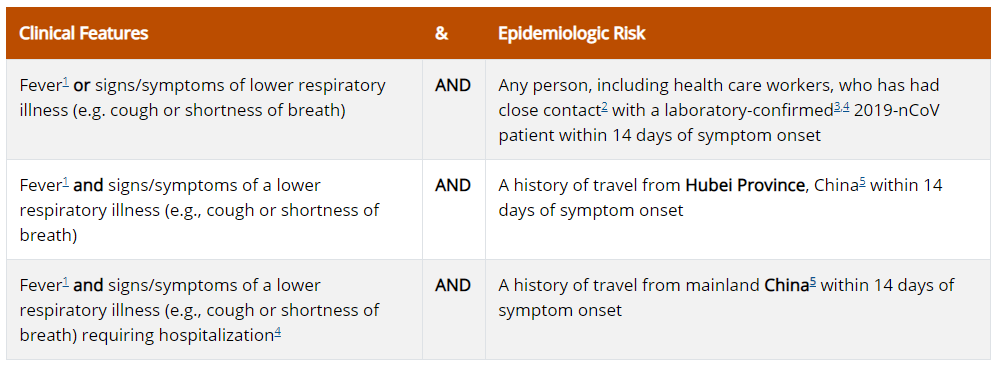
The Centers for Disease Control and Prevention (CDC) has posted interim guidance for Healthcare Professionals in regards to the coronavirus. They may be helpful when assessing patients with respiratory symptoms. The guidance includes clinical features and epidemiologic risk. Also, check with your facility’s Clinical Leadership regarding internal policies for dealing with potential coronavirus cases.

Barbara Sverdlik, DNP RN CENP
Vice President, Clinical Services
Accountable Healthcare Staffing, Inc.


Interim Guidance for Healthcare Professionals

Updated February 2, 2020
Limited information is available to characterize the spectrum of clinical illness associated with 2019-nCoV. No vaccine or specific treatment for 2019-nCoV infection is available; care is supportive.

The CDC clinical criteria for a 2019-nCoV patient under investigation (PUI) have been developed based on what is known about MERS-CoV and SARS-CoV and are subject to change as additional information becomes available.

Health care providers should obtain a detailed travel history for patients being evaluated with fever and acute respiratory illness. CDC guidance for evaluating and reporting a PUI for MERS-CoV remains unchanged.

Criteria to Guide Evaluation of
Patients Under Investigation (PUI) for 2019-nCoV

Patients in the United States who meet the following criteria should be evaluated as a PUI for 2019-nCoV.

Coronavirus: Interim Guidance for Healthcare Professionals

The criteria are intended to serve as guidance for evaluation. Patients should be evaluated and discussed with public health departments on a case-by-case basis if their clinical presentation or exposure history is equivocal (e.g., uncertain travel or exposure).

Recommendations for Reporting, Testing, and Specimen Collection

Updated February 3, 2020

Healthcare providers should immediately notify both infection control personnel at their healthcare facility and their local or state health department in the event of a PUI for 2019-nCoV. State health departments that have identified a PUI should immediately contact CDC’s Emergency Operations Center (EOC) at 770-488-7100 and complete a 2019-nCoV PUI case investigation form available below.

CDC’s EOC will assist local/state health departments to collect, store, and ship specimens appropriately to CDC, including during after-hours or on weekends/holidays. At this time, diagnostic testing for 2019-nCoV can be conducted only at CDC.

Testing for other respiratory pathogens should not delay specimen shipping to CDC. If a PUI tests positive for another respiratory pathogen, after clinical evaluation and consultation with public health authorities, they may no longer be considered a PUI. This may evolve as more information becomes available on possible 2019-nCoV co-infections.

For biosafety reasons, it is not recommended to perform virus isolation in cell culture or initial characterization of viral agents recovered in cultures of specimens from a PUI for 2019-nCoV.

To increase the likelihood of detecting 2019-nCoV infection, CDC recommends collecting and testing multiple clinical specimens from different sites, including two specimen types—lower respiratory and upper respiratory. Additional specimen types (e.g., stool, urine) may be collected and stored. Specimens should be collected as soon as possible once a PUI is identified regardless of the time of symptom onset. Additional guidance for collection, handling, and testing of clinical specimens is available.

Interim Healthcare Infection Prevention and Control Recommendations for Patients Under Investigation for 2019-nCoV

Footnotes

1Fever may be subjective or confirmed

2Close contact is defined as—

a) being within approximately 6 feet (2 meters) of a 2019-nCoV case for a prolonged period of time while not wearing recommended personal protective equipment or PPE (e.g., gowns, gloves, NIOSH-certified disposable N95 respirator, eye protection); close contact can occur while caring for, living with, visiting, or sharing a health care waiting area or room with a 2019-nCoV case – or –

b) having direct contact with infectious secretions of a 2019-nCoV case (e.g., being coughed on) while not wearing recommended personal protective equipment.

Data to inform the definition of close contact are limited. Considerations when assessing close contact include the duration of exposure (e.g., longer exposure time likely increases exposure risk) and the clinical symptoms of the person with 2019-nCoV (e.g., coughing likely increases exposure risk as does exposure to a severely ill patient). Special consideration should be given to those exposed in health care settings.

3Documentation of laboratory-confirmation of 2019-nCoV may not be possible for travelers or persons caring for patients in other countries.

4Category also includes any member of a cluster of patients with severe acute lower respiratory illness (e.g., pneumonia, ARDS) of unknown etiology in which 2019-nCoV is being considered that requires hospitalization. Such persons should be evaluated in consultation with state and local health departments regardless of travel history.

5For persons with travel to China within 14 days that are being regularly monitored by local health departments or referred for evaluation from border screening, testing for nCoV can be considered at the discretion of the health officials for all persons with illnesses with fever and lower respiratory symptoms (those hospitalized and those not hospitalized).

Additional Resources:

Page last reviewed: February 3, 2020
Content source: National Center for Immunization and Respiratory Diseases (NCIRD)Division of Viral Diseases

Finished the travel nursing guide and are ready to look for an assignment?

Check out our travel nurse jobs!

Join The Gypsy Nurse Nation

Discover new travel nurse jobs, subscribe to customized job alerts and unlock unlimited resources for FREE.

Since just recently joining The Gypsy Nurse, I have had so many questions answered about the world of travel nursing. This has been an excellent resource!
—Meagan L. | Cath Lab